Personal Autonomy Also Includes the Right to Rest
Modern working culture treats exhaustion as a private failure. When people cannot keep pace, they are told to improve their routine, buy a productivity tool or practise better self-care. That advice can be useful at the margins, but it ignores the conditions that produce fatigue: long hours, insecure work, constant availability and the rising cost of basic life. Rest is personal, yet the ability to rest is also shaped by power, money and time.
Recognising the wider context doesn't make individual care pointless. A short walk won't reform a workplace, but it may help someone get through the day with less strain. Sleep cannot fix an unjust schedule, yet the body still needs it. People can protect their health where they have room to act without accepting blame for every consequence of overwork.
Paid wellness services sit inside this tension. Access depends on disposable income, and the industry can turn ordinary needs into luxury products. Practitioners still perform real labour, and many customers value the focused time and touch a massage provides. People considering male masseur services can take a practical view: decide what you want from the appointment, what you can afford and whether the provider's terms are clear.
Autonomy includes the right to choose who provides a personal service. Gender, identity, communication style and a sense of safety may influence that choice. Gay and bisexual men may prefer a provider or platform where they do not need to conceal part of themselves. That preference is not an argument for stereotyping practitioners or assuming what any service includes. It is a reason to make accurate information and respectful choice available.
Sites such as rentmasseur.com organise profiles around male massage and reduce the time spent searching general listings. The useful test is how clearly a platform explains profiles, verification, privacy and reporting. Users still need to confirm the rate, duration, setting and boundaries directly. Convenience should increase the customer's control, not transfer judgement to a ranking system.
Consent is one of the clearest expressions of autonomy. It applies before and during the appointment, and it applies to both people. Either person can clarify, change or end the agreement. Money does not erase that right. A professional exchange makes room for direct questions without shame or pressure. The customer also has a duty to respect the practitioner's stated service and personal boundaries.
Privacy matters because personal information can become another form of leverage. Customers should share only what the booking requires, and providers should protect names, addresses, messages and images. Neither side should turn a private encounter into public content without explicit permission. Platforms can support this through controlled messaging, reporting tools and policies that are understandable before a problem occurs.
Rest cannot be distributed equally while time and security remain unequal. That fact should sharpen our view of wellness without making personal care seem frivolous. People deserve working conditions that don't exhaust them, as well as agency in the smaller decisions available now. Protecting an hour, choosing a trusted provider or refusing another demand can all express that agency. The right to rest begins with treating a person's body and time as their own.

Contact
Mickey Z 2.0
New E-Book
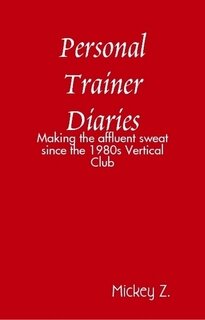
Buy Now for $4.99
Events
Saturday, April 30 · 7:00pm - 9:00pm
(between Stanton and Rivington)My third novel (and 11th book overall) is called Darker Shade of Green and will be published by Raw Dog Screaming Press in mid-April.
Past Events
Sunday, December 19
6:30pm - 9:00pm
I'll be reading at the Art House Astoria Conservatory for Music and Art free monthly SALON and...offering some info about my upcoming writing classes at Art House Astoria. At the SALON, you can play a piece, sing a song, read a poem, or do anything else that requires an audience.
Astoria, NY
More info:
Wednesday, January 12, 2011
7:00pm - 10:00pm
I received a Project Censored award for Can You Identify the Worst Polluter on the Planet?
Project Censored has put together a FREE event and invited me to be one of the speakers.
Sunday, October 3 @ 1:00
Thursday, June 10, 7:30 pm
An Evening with Astoria Writers and Musicians
@ Waltz-Astoria
Astoria, NY 11105
718- 95MUSIC
Animal Rights Benefit in Tompkins Square Park
June 13, 2-6 pm
Tompkins Square Park, NYC
Mickey Z takes the stage about 4pm
Thinning the Herd, NYC’s favorite indie rock trio, will host a special “Save The Herd” sound-fest in the East Village. The concert will showcase a rare all-star lineup headlined by Thinning the Herd featuring four other popular hard working bands on the NYC rock scene. Between sets, comedians and public speakers will talk about animal rights, vegetarianism and humane lifestyles.
Keynote Speaker for Veggie Pride Parade
Sunday, May 16, 2010
Barnes & Noble Arlington, VA
March 27, 2010 6 PM
Mickey Z discusses his new book, Self-Defense for Radicals: A to Z Guide for Subversive Struggle (PM Pamphlet) .
from on .
What's New
~ Occupy May Day: #NoWarButClassWar ~ Talk to the Universe: Voices of #Occupy (part 1) ~ DeOccupy Animal Experimentation ~ Re-Occupy Yer Lawns: #OccupyRewilding ~ Occupy St. Patrick's Day/M17 (#OWS @ 6 Months) ~ Never Trust a Cop: #Occupy Yer Rights ~ Occupation is Free: Love, Life & More
Mickey Z's Book Store
Links
- A Moving Train
- Atlantic Free Press
- Blue Stockings
- Chuck Munson
- Countercurrents
- Derrick Jensen
- Dissident Voice
- Exit Stage Right
- Fielding Mellish Party
- Foreign Policy Journal
- Gina Ranalli
- Hudson Valley Vegan
- Infoshop
- JoeBama Watch>
- Keir Neuringer
- Literary Kicks
- Michael Greenwell
- Mr. Beller's Neighborhood
- Notes From Underground
- Novakeo
- Online Journal
- Ope Ed News
- pattrice jones
- People's Voice
- Press Action
- Q Note
- Radical Glasgow
- Slept On
- SpinWatch
- Tiny Choices
- World News Trust
- Writings on the Wall